Interlaken and the surrounding Jungfrau Region offer over 30 attractions — from the famous Two Lakes panorama at Harder Kulm to the Jungfraujoch at 3,454 metres and the 500-metre Giessbach Falls. This overview shows the best things to do around Interlaken, sorted by experience type, with prices, opening hours and insider tips.
Top Attractions
 Viewpoint
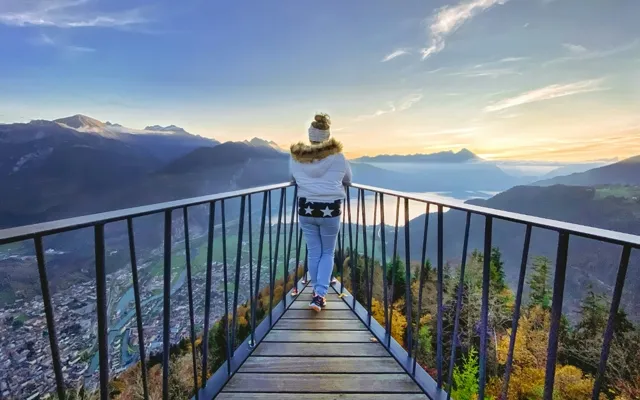
 Harder Kulm
Interlaken's home mountain with the famous Two Lakes Bridge platform and 360° panorama of Eiger, Mönch and Jungfrau.
 Mountain
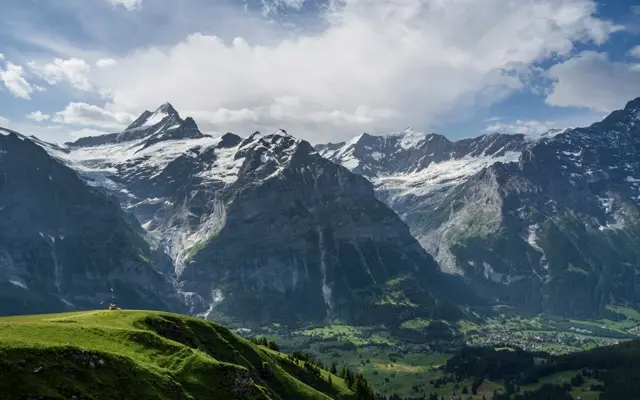
 Jungfraujoch — Top of Europe
Europe's highest railway station at 3,454 m — with Ice Palace, Sphinx Terrace and Aletsch Glacier panorama.
 Nature & Garden
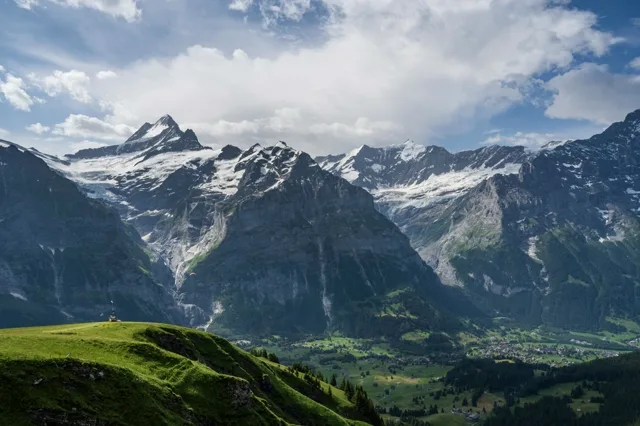
 Schynige Platte
Alpine garden at 2,076 m with over 700 plant species, accessible by the historic 1893 cog railway.
 Cave
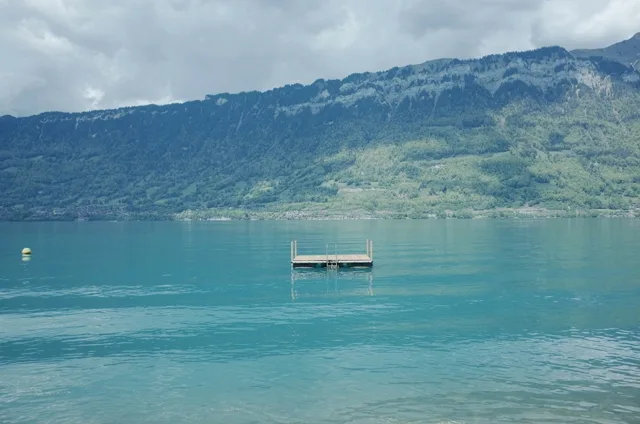
Cave St. Beatus Caves
Mystical stalactite caves above Lake Thun with a 1 km walkable circuit — a great option even in the rain.
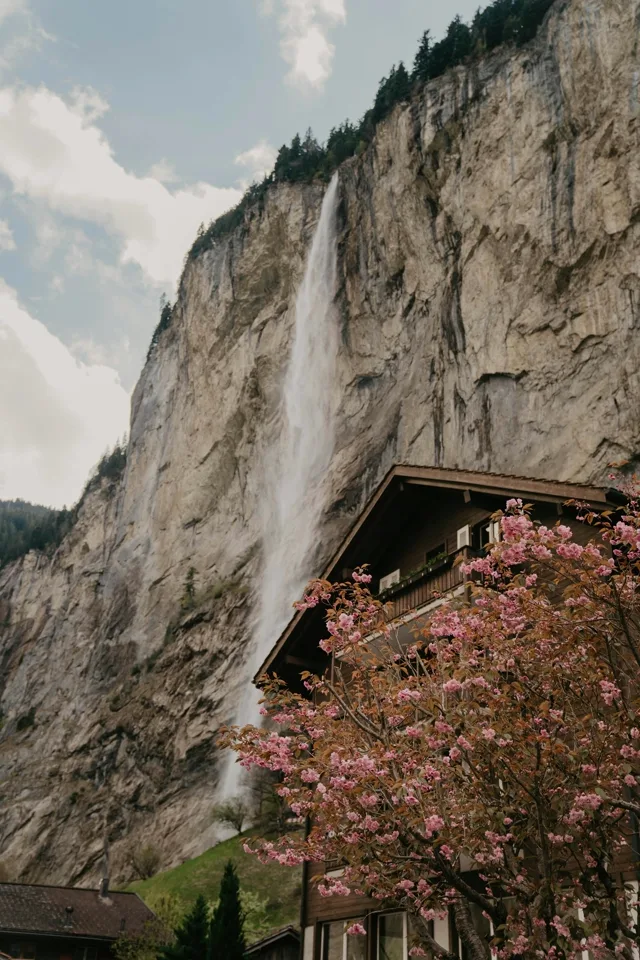 Waterfall
 Giessbach Falls
Impressive 500-metre cascade plunging directly into Lake Brienz — accessible by historic funicular.
Attractions by Season
Spring & Summer (April–September)
In spring, the region comes alive: the Harder Kulm funicular opens in mid-April, Giessbach Falls carry snowmelt, and the Schynige Platte hiking trails become accessible. In summer, long days mean you can enjoy Harder Kulm at sunset — the funicular runs until 9 PM — and combine a Lake Brienz boat ride with a visit to the Giessbach Falls.
Autumn & Winter (October–March)
Autumn brings vibrant foliage to the forests around Interlaken — the view from Harder Kulm over the colourful lakeside forests is spectacular. In winter, when the funicular is closed, St. Beatus Caves and Jungfraujoch offer year-round alternatives. The snow-covered mountains around Interlaken have their own special charm.
Insider Tip
Combine a sunset visit to Harder Kulm with breakfast at Schynige Platte the next morning. You'll experience Interlaken from above in two completely different lights — and have the viewpoints almost to yourself.
Frequently Asked Questions
What are the best things to do in Interlaken?
The top attractions in Interlaken are Harder Kulm (home mountain with Two Lakes panorama), Jungfraujoch – Top of Europe (highest railway station in Europe at 3,454 m), Schynige Platte (alpine garden with historic cog railway), St. Beatus Caves (stalactite caves at Lake Thun) and Giessbach Falls (500 m cascade at Lake Brienz).
What are family-friendly attractions in Interlaken?
The most family-friendly attractions are Harder Kulm (short funicular ride, secured viewing platform, playground), St. Beatus Caves (exciting underground exploration) and Schynige Platte (historic cog railway and alpine garden with discovery trail). All three are accessible with strollers or baby carriers.
What to do in Interlaken when it rains?
On rainy days, visit the St. Beatus Caves — the stalactite caves are weather-independent. Jungfraujoch is also worth visiting in bad weather, as it's often sunny above the clouds. Other options include the Tourism Museum and various indoor activities.
How many days do you need in Interlaken?
We recommend at least 3 days for the main attractions: Day 1 for Harder Kulm and Interlaken town, Day 2 for Jungfraujoch, Day 3 for Giessbach Falls and Lake Brienz. With 5 days, add Schynige Platte, St. Beatus Caves and hiking.
Which attractions in Interlaken are free?
Free attractions include: the Harder Kulm viewing platform (funicular or hike required), the Höheweg promenade with Jungfrau views, Giessbach Falls (hiking trail), the monastery garden in Interlaken, and the lakeside promenades along Lake Thun and Lake Brienz.